FREE SHIPPING FOR ORDERS OVER $199
60 DAYS RETURN POLICY
5% OFF FOR NEWSLETTER-SIGN UP
What is Scandinavian Design? A brief history, characteristics & Scandinavian design classics

What is Scandinavian design?
Scandinavian design refers to a design movement most closely associated with the Nordic countries: Sweden, Denmark, Norway and Finland. It took shape mainly between the 1930s and the 1950s, as designers across the region developed their own take on modernism.
At its core is a simple idea: good design shouldn't just look good — it should be functional and genuinely useful. Furniture, lighting and home accessories were designed to make daily life better, not more complicated.
That doesn't mean Scandinavian design follows one strict look. It can be pared-back and understated, but just as easily colourful, playful or organic. What ties the different approaches together isn't a fixed aesthetic, but a shared attitude: form and function should work together as a matter of course.
A close relationship with nature is just as characteristic. Wood, glass, ceramics, wool and linen are among the traditional materials of Nordic design, and light and colour play an important role too — shaped, in part, by the particular quality of light found in the northern countries.
Related reading:
A brief history of Scandinavian design
The roots of Scandinavian design reach back to the first half of the 20th century. While functionalism was taking hold across Europe, Nordic designers were looking for a version of modernism that felt less cold and technical.
Rather than elaborate ornamentation, the focus shifted to material, construction and everyday use. At the same time, traditional craftsmanship remained central to the process. Wood wasn't hidden away — it was used deliberately as a design feature, and natural forms and handmade details were given room to stand out.
The Finnish architect and designer Alvar Aalto played a key role in this shift. His organic furniture and glasswork are now among the most recognisable examples of Finnish design. The Aalto vase, created in 1936, shows just how far Nordic modernism moved away from strictly geometric forms — the glass series won first prize at the Karhula-Iittala glass design competition.
Denmark developed its own distinct design tradition in parallel. Designers including Arne Jacobsen, Hans J. Wegner and Poul Henningsen shaped a visual language for furniture and lighting that became known internationally as Danish Modern.
In Sweden, figures like Carl Malmsten, Nisse Strinning and Yngve Ekström combined traditional craftsmanship with the demands of modern everyday life.
Many of these designs are still available today. The fact that the String shelf has been produced in almost unchanged form since 1949, or that the Lamino chair from 1956 is still made according to its original principles, says a lot about how durable this design philosophy has proven to be.

What characterizes Scandinavian design?
Swedish, Danish and Finnish design differ from one another in many ways, but a handful of ideas unite the three. These are less like strict rules and more like shared starting points.
Functionality
In Scandinavian design, the person using the object comes first. A piece of furniture isn't just meant to look good — it should fit naturally into everyday life.
That might mean a chair shaped for genuine comfort, a shelving system flexible enough to adapt to different rooms, or a lamp whose form grows out of how it distributes light. It's this link between design and everyday use that keeps so many Nordic pieces relevant today.



Clean, simple shapes
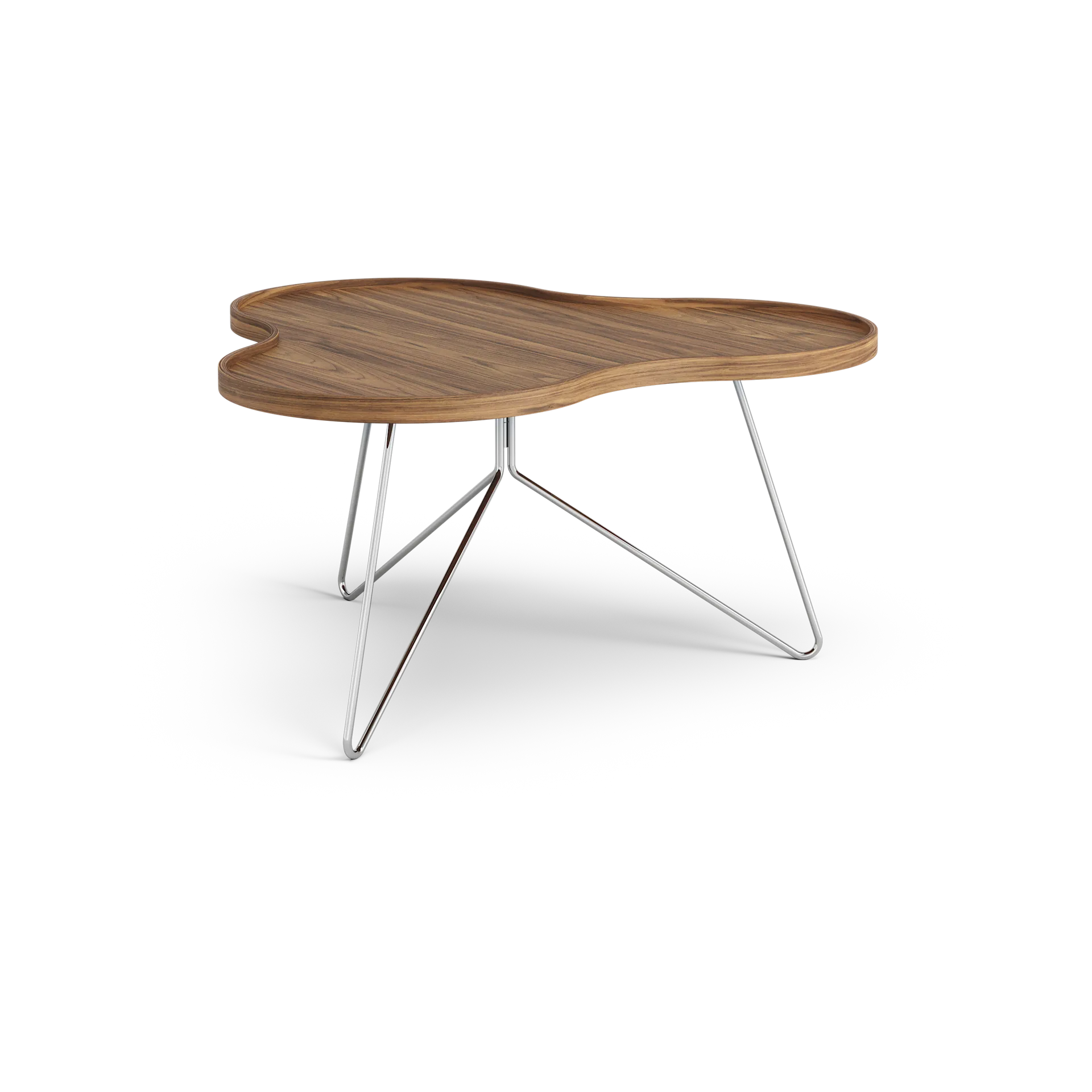
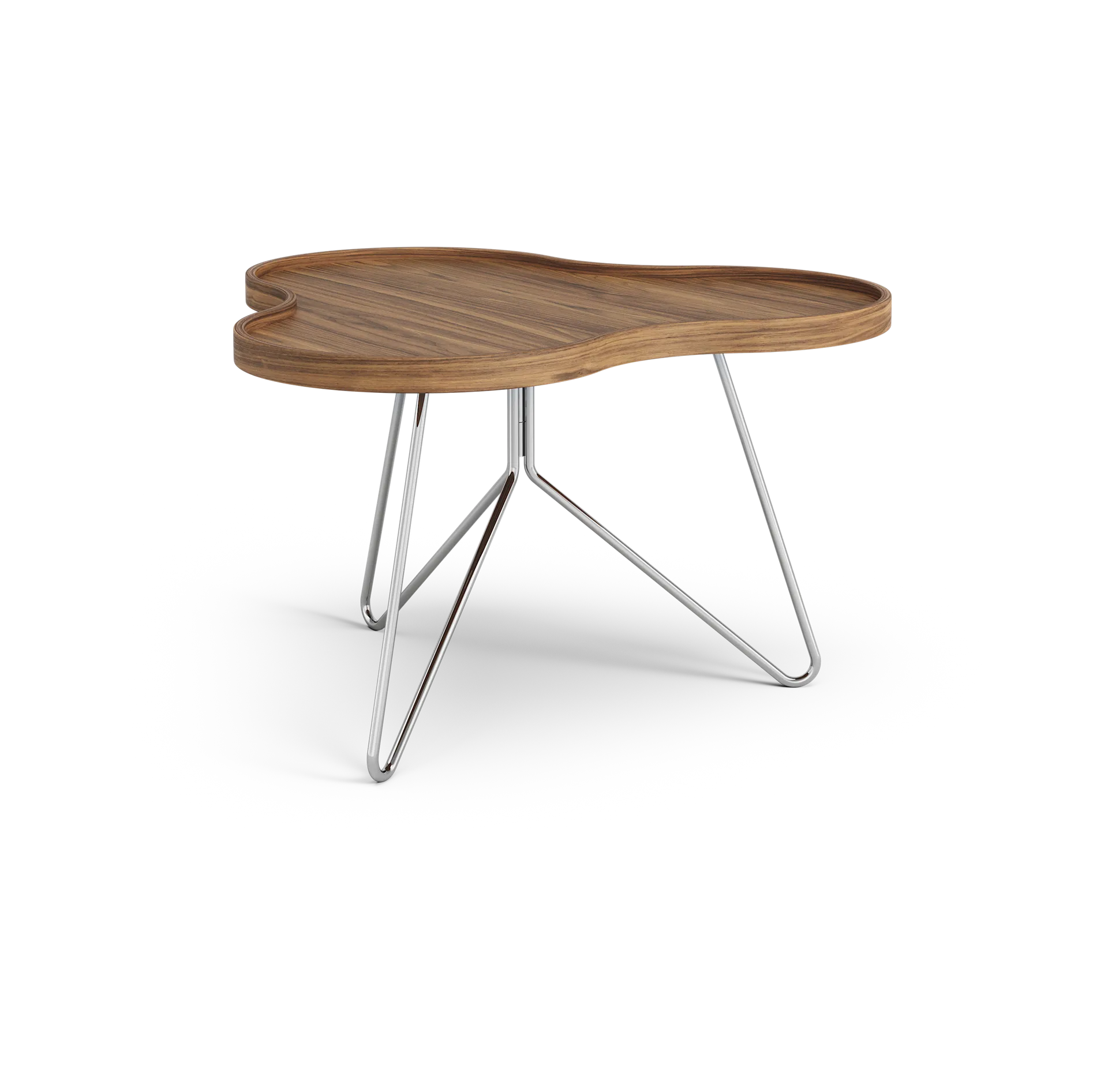
Reduced lines and carefully considered proportions are among the most recognisable traits of Scandinavian design. Unnecessary detail is avoided so the form and material can speak for themselves.
That doesn't mean rigidity, though. Curved silhouettes and organic shapes are just as much a part of Nordic design history — from the Aalto Vase to the Little Petrachair.
Natural materials
Wood has traditionally held an important place in Scandinavian design, with birch and oak used especially often to bring warmth into otherwise pared-back spaces.
Alongside wood, you'll find glass, ceramics, wool, linen and leather. These materials are typically used in a way that keeps their natural texture and appearance intact, rather than disguising them.
Timelessness
Many Scandinavian design classics weren't created to chase a passing trend. Instead, they were built to work for years and adapt to different stages of life.
That's why so many designs from the mid-20th century are still being produced today. A true design classic can be passed down through generations, rather than replaced after just a few years.
Light & cosiness
Light plays a major role in Nordic design. Thoughtfully planned lighting creates atmosphere and helps make rooms feel welcoming, especially through the darker months of the year.
At the same time, functionality is often paired with a sense of coziness. Textiles, warm wood tones, soft upholstery and a few well-chosen decorative pieces keep a Scandinavian-styled home from feeling cold or clinical.
Read more:
- Create a cosy hygge living room
- Scandinavian design lamps
- Choosing the right light bulb – colour temperature & lumen
Colour & pattern
Scandinavian design is often associated with neutral colours — but bold colours and graphic patterns actually have just as long a history in the region.
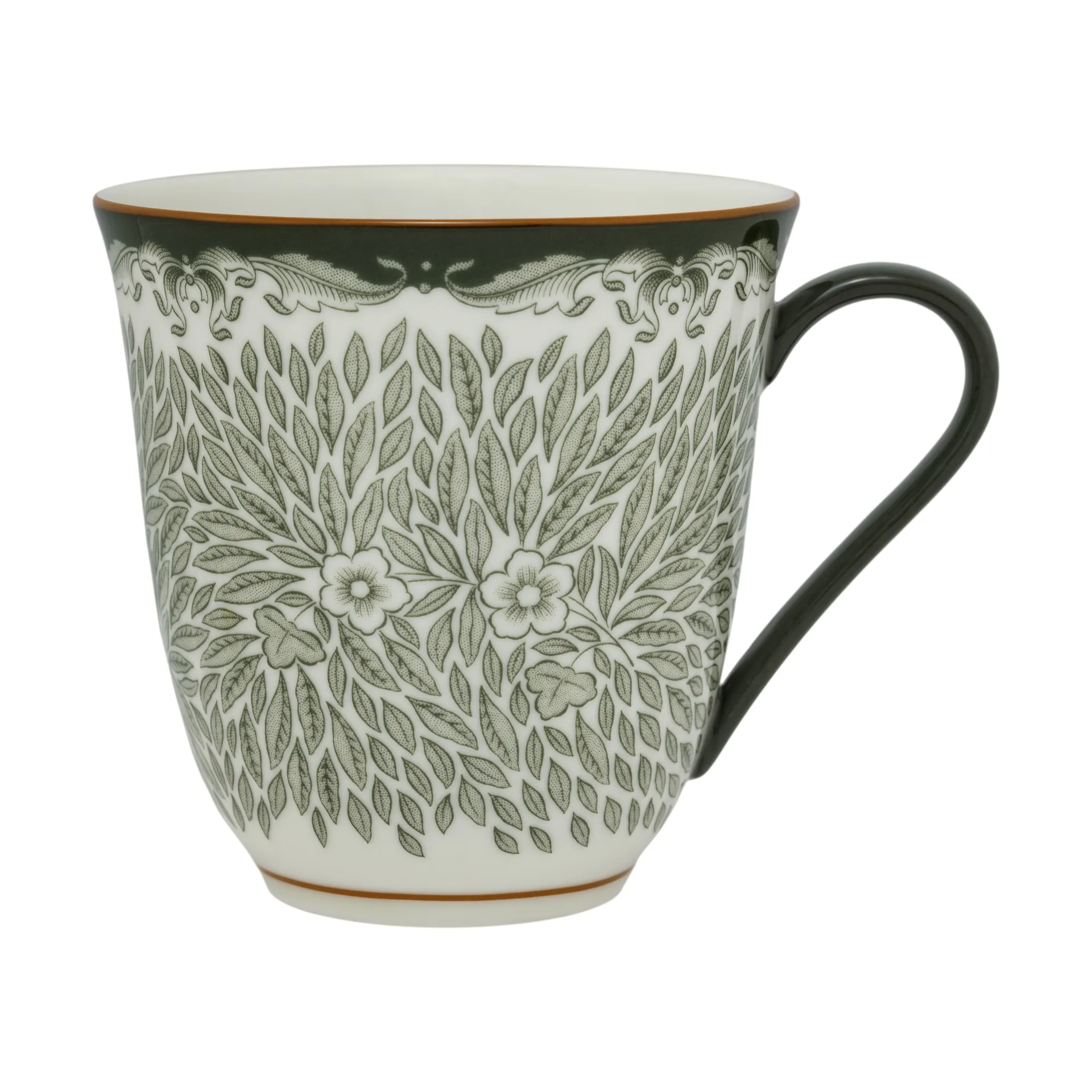
Marimekko's Unikkoand Rörstrands Mon Amie are perfect examples of just how naturally colour and floral pattern belong in Nordic design history.
Related reading:


10 Scandinavian design classics
If you want to understand Scandinavian design, its classics are a good place to start. Many of the following pieces were created decades ago and are still in production today.
The selection is deliberately broad — spanning furniture and lighting through to porcelain, glass and decorative objects.

1. String shelf by Nisse Strinning
A shelving system that adapts to the room and the people living with it: the String shelving system is a textbook example of how functionality can turn into a design classic.
Nisse Strinning designed the shelf in 1949 for a bookshelf competition organised by Swedish publishing house Bonnier. His design won first prize and went into production shortly after. The distinctive metal side ladders combine with shelves and other modules to allow for countless individual configurations, even today.
The smaller String Pocket version wasn't introduced until 2005. It builds on the same core idea as the original while making the system work in smaller spaces too.
Designer: Nisse Strinning Year: 1949 Country: Sweden
Read more: Limitless possibilities with String



2. Aalto Vase by Alvar Aalto
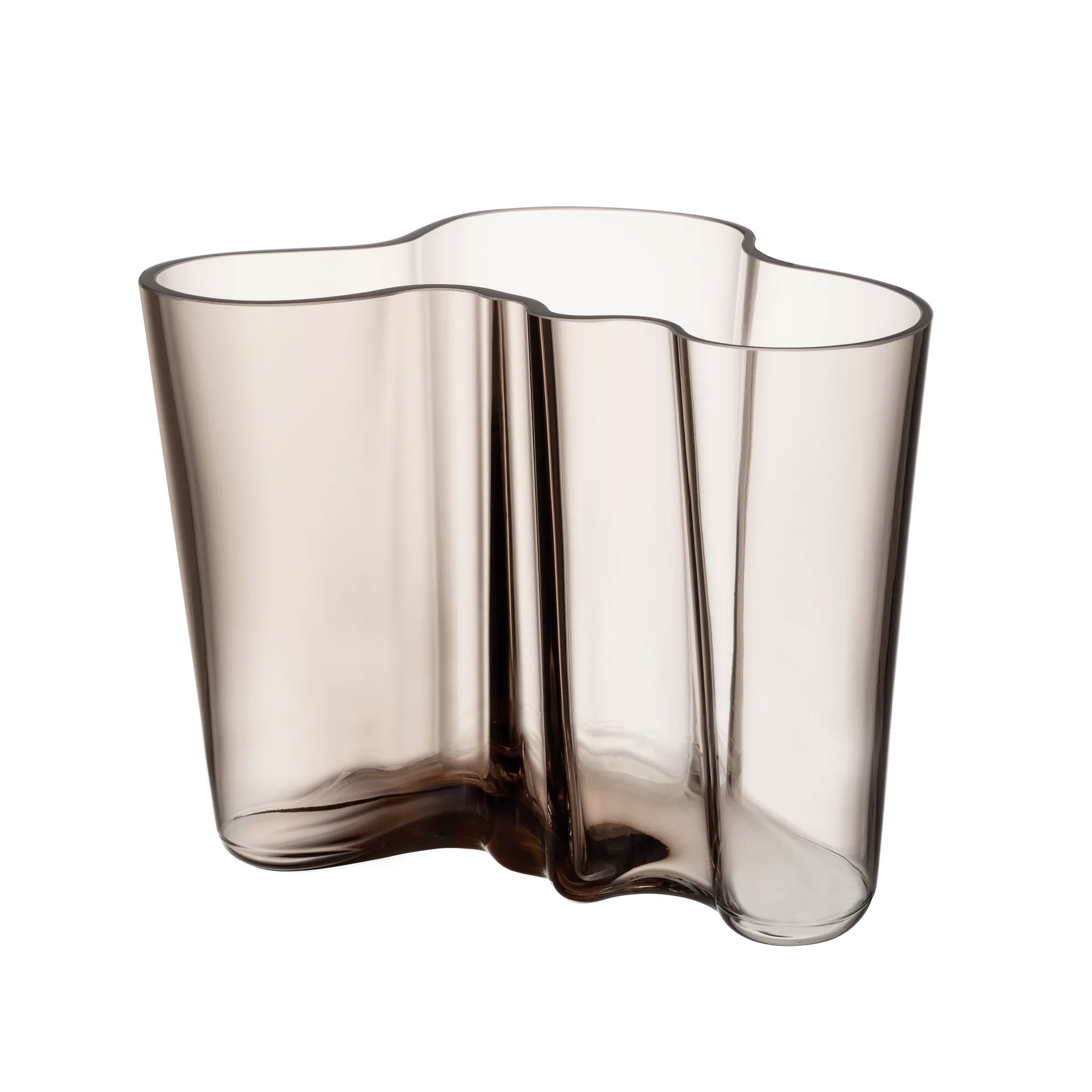
Few glass objects are as instantly linked to Finnish design as the Aalto Vase. Alvar Aalto designed the organically curved vase in 1936 for a glass design competition.
Its asymmetrical shape reads almost as the opposite of a strictly geometric vessel — and that's exactly what makes it special. The silhouette echoes natural, flowing forms, making the vase a striking object in its own right, with or without flowers in it.
Aalto vases are still hand-blown from glass in Finland today, and come in a range of sizes and colours.
Designer: Alvar Aalto Year: 1936 Brand: Iittala Country: Finland
Read more: Alvar Aalto - Functional design from Finland’s most iconic designer

3. Flowerpot by Verner Panton
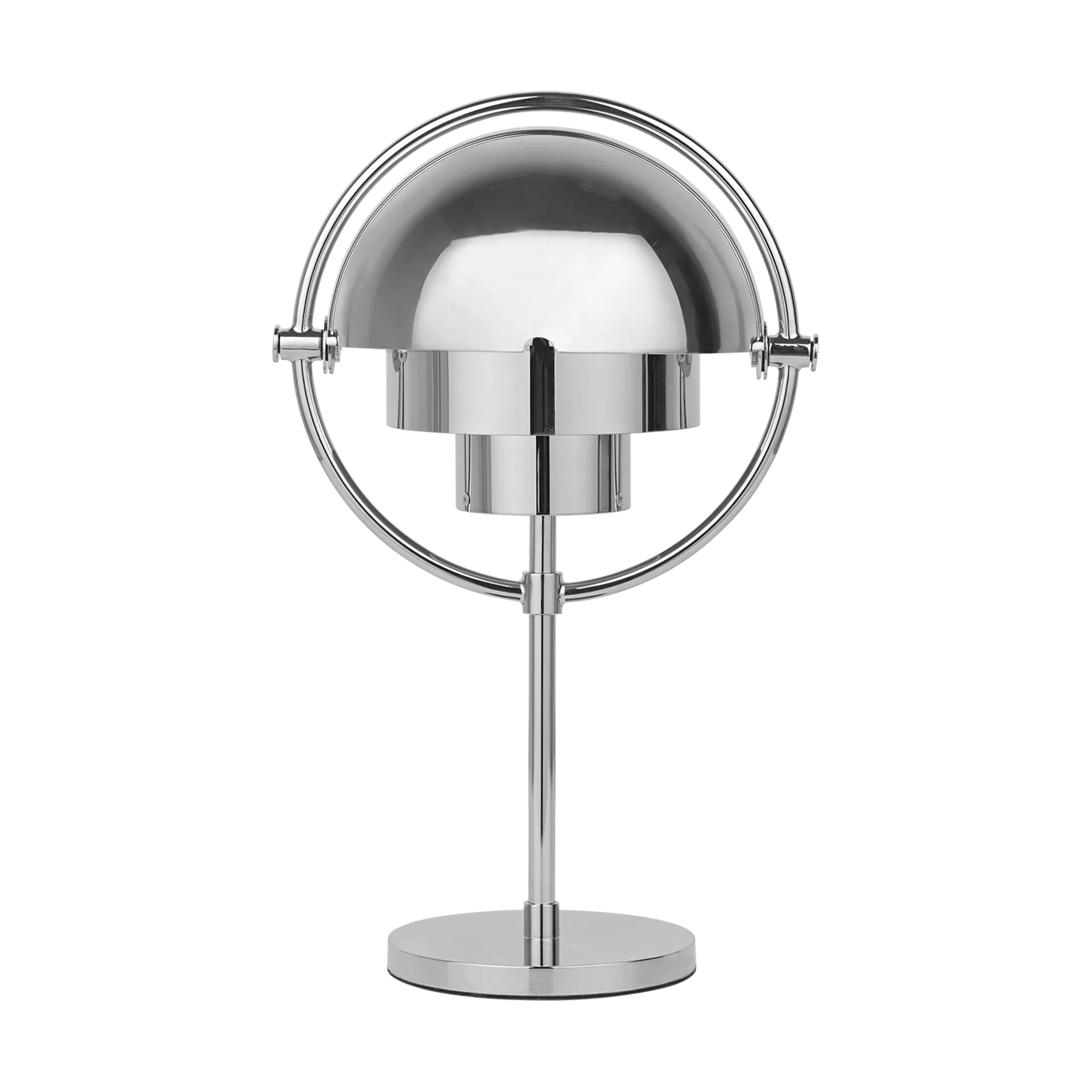
Scandinavian design can be bold and experimental too and the Flowerpot lamp by Verner Panton is one of the best-known examples of that.
Panton designed the lamp in 1968. Its distinctive shape is made up of two opposing half-spheres that spread light gently across a room. The name nods to the flower-power era, and its sense of optimism comes through in the design itself.
The original shape has proven remarkably versatile: FlowerPot is now available as a pendant, table and portable lamp, and fits equally well into minimalist or more colourful interiors.
Designer: Verner Panton Year: 1968 Brand: &Tradition Country: Denmark
Read more:



4. Unikko by Marimekko
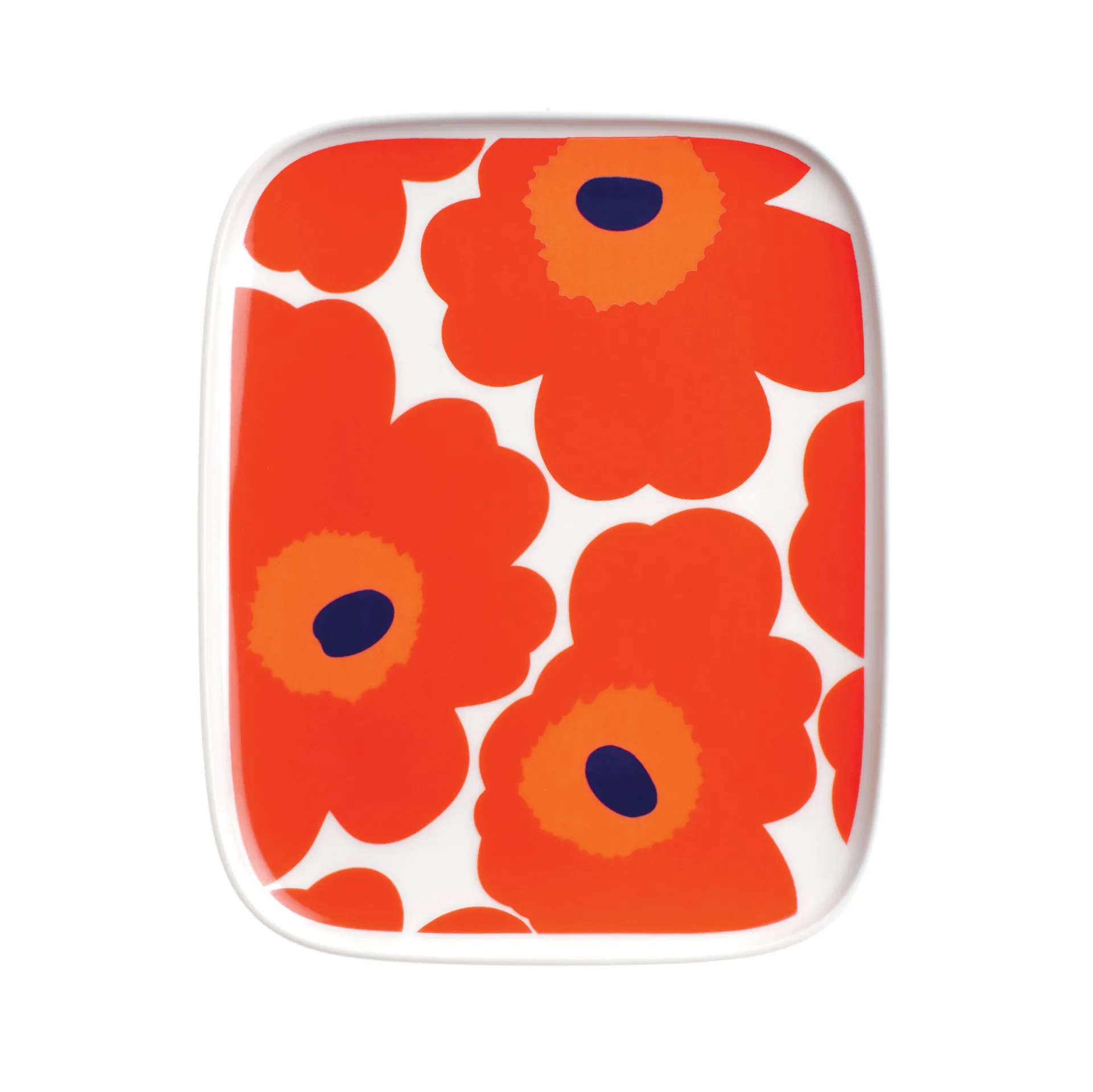
A floral print as a design classic? Unikko proves that Scandinavian design doesn't always have to be understated.
Maija Isola designed the now world-famous poppy print in 1964 for Marimekko. The story behind it is almost as well known as the pattern itself: after Marimekko's founder Armi Ratia initially rejected the idea of floral prints, Isola pursued her own vision anyway — and won everyone over with the stylised poppies.
Unikko has since become inseparable from the Marimekko brand, appearing today across tableware, textiles and countless other home accessories.
Designer: Maija Isola Year: 1964 Brand: Marimekko Country: Finland
Read more: Marimekko: Get to know the brand that brings us timeless prints and endless joy


5. Kay Bojesen monkey
The Kay Bojesen monkey brings a playful side to the list of Scandinavian design classics. The wooden figure was designed in 1951 by Danish designer Kay Bojesen.
With movable arms and legs and its signature mischievous expression, the monkey feels almost like a small character in its own right. Originally conceived as a wooden toy, it's long since become a beloved design object for adults too.
The monkey is still handmade today from natural materials such as teak, limba wood or oak, meaning each one is subtly unique in its grain.
Designer: Kay Bojesen Year: 1951 Country: Denmark


6. Lamino chair by Yngve Ekström
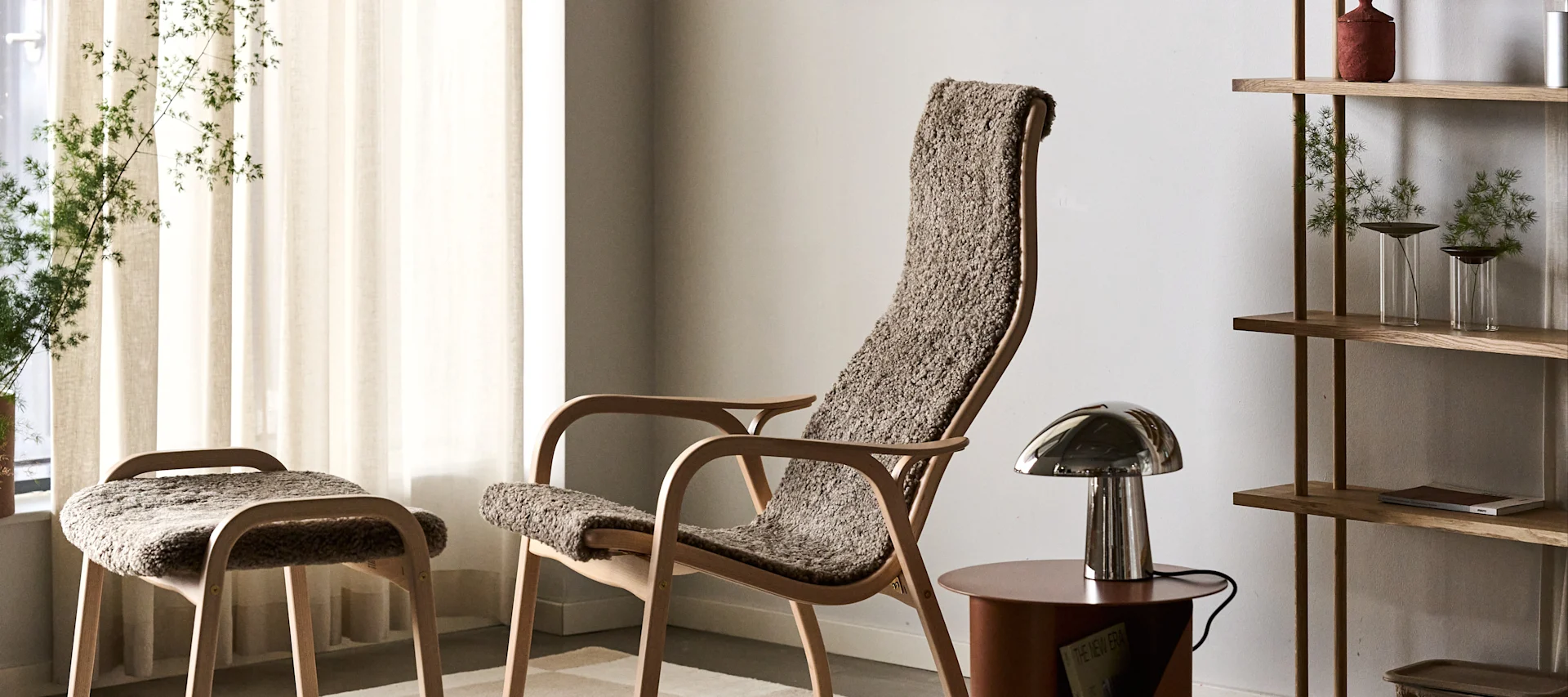
Comfort meets Scandinavian restraint in the Lamino armchair. Yngve Ekström designed the chair in 1956 with the human body as his starting point. The result is a curved silhouette that supports the body while still looking light on its feet.
The Lamino is one of the best-known designs from Swedish brand Swedese, and it's still made today in the company's own factories in Småland, where traditional craftsmanship continues to play a central role in production.
Its organic shape makes it a great example of how minimalism and comfort don't have to be at odds.
Designer: Yngve Ekström Year: 1956 Brand: Swedese Country: Sweden
Related reading: Swedese’s story


7. Mon Amie by Marianne Westman
Scandinavian design can be romantic and playful too. The Mon Amie collection from Rörstrand is one of the best-known examples of Swedish porcelain design.
Marianne Westman designed the series in 1952. Its signature cobalt-blue floral pattern on white porcelain became popular quickly. The original tableware was produced until 1987; in 2008 the collection was relaunched to mark Marianne Westman's 80th birthday, and it's remained a core part of the Rörstrand range ever since.
Today Mon Amie spans a wide range of tableware and serving pieces. The combination of bold blue and graphic floral motifs makes it a great counterexample to the idea that Scandinavian design is always understated.
Designer: Marianne Westman Year: 1952 Brand: Rörstrand Country: Sweden
Read more:


8. Lilla Åland by Carl Malmsten
A classic Swedish wooden chair with an unusual starting point: Carl Malmsten found the inspiration for Lilla Åland during a visit to the island of Åland.
In 1939, the designer came across traditional high-backed chairs in a medieval church in Finström. Together with his student Sven Erik Fryklund, he developed the design that would go into production in 1942.
Its eight upward-fanning back spindles and gently curved seat are instantly recognisable. Lilla Åland is still made from solid wood by Stolab today, and it's a great example of how traditional craft forms can be translated into contemporary production.
Designer: Carl Malmsten Year: 1942 Brand: Stolab Country: Sweden
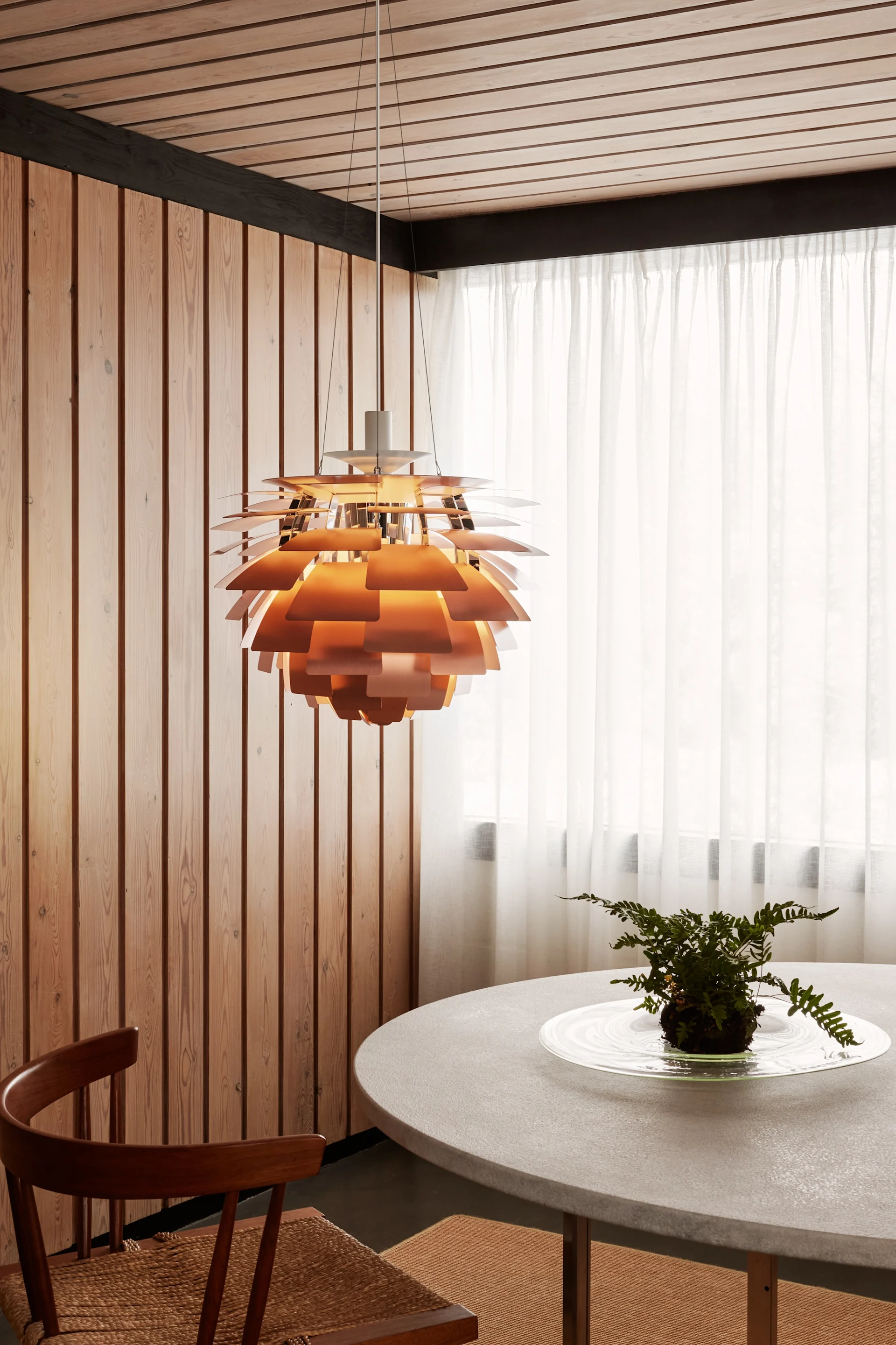

9. PH Artichoke by Poul Henningsen
The PH Artichoke is one of the most striking lamps in Danish design. Poul Henningsen designed it in 1958 for the modernist restaurant Langelinie Pavillonen in Copenhagen.
The pendant lamp takes its name from the 72 individual "leaves" arranged like the layers of an artichoke. But the construction is more than decorative — the leaves are positioned so the light source stays hidden from every angle, producing soft, glare-free light.
In that sense, the PH Artichoke captures one of the central ideas of Scandinavian design especially well: the unusual form doesn't exist separately from function — it grows directly out of it.
Designer: Poul Henningsen Year: 1958 Brand: Louis Poulsen Country: Denmark
Related reading: Louis Poulsen – Lighting the way for more than 150 years
The most important designers of Scandinavian design
Behind these design classics are individuals who shaped Nordic design history in very different ways.
Alvar Aalto is one of the most significant Finnish architects and designers of the 20th century. His organic forms and his work with wood and glass remain defining elements of Finnish design.
Arne Jacobsen brought architecture and product design together into cohesive, holistic concepts. His furniture and lighting are among the best-known examples of Danish design.
Poul Henningsen dedicated much of his career to the effect of light. His lamps are known for being shaped by lighting principles first, and aesthetics second.
Verner Panton brought colour, unconventional shapes and an experimental spirit into Danish design. His FlowerPot lamp is a clear example of just how varied Scandinavian design can look.
Yngve Ekström is one of the defining names in Swedish furniture design. His Lamino chair stands as a model for combining ergonomics, natural materials and reduced form.
Carl Malmsten, meanwhile, was shaped strongly by Swedish craft traditions and traditional furniture-making. Lilla Åland shows how those influences can be translated into the demands of modern series production.

Scandinavian design today
Scandinavian design has continued to evolve since the great designs of the 20th century, without losing sight of its founding ideas. Contemporary designers build on the principles of functionality, material awareness and everyday usability, and combine them with new forms, colours and production techniques.
At the same time, many historic design classics keep finding new audiences. Pieces created decades ago are being reissued, reinterpreted in new colours, or combined with modern materials.
Perhaps that's exactly where Scandinavian design's staying power comes from: it doesn't need to be constantly reinvented. Instead, it can be reinterpreted again and again, staying part of a living design tradition.
In that sense, Scandinavian design is less a fixed style than an attitude toward design — an invitation to create beautiful things that work in everyday life and bring lasting enjoyment.
Discover more about Scandinavian design:
Scandinavian design classics
Customer Service
Selection
Inspiration